





DL Barcode Generator
Select a state to begin
---
---Generated Barcode
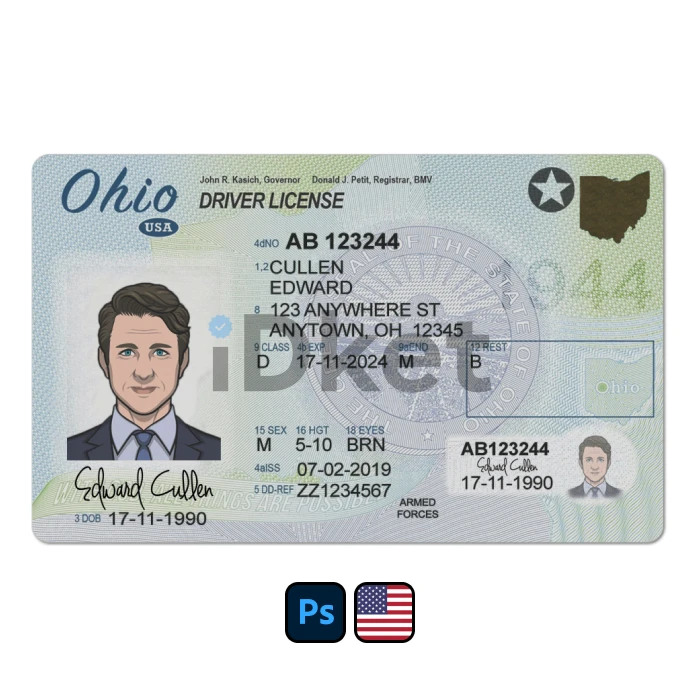
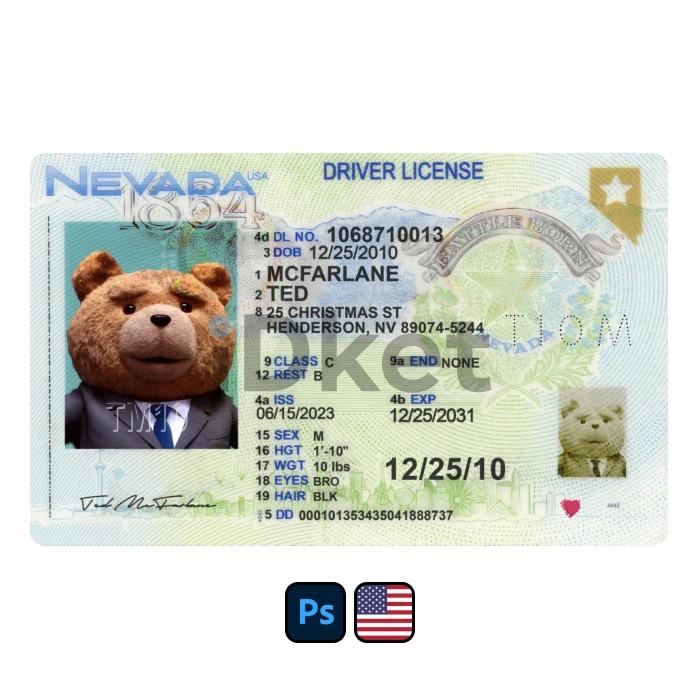
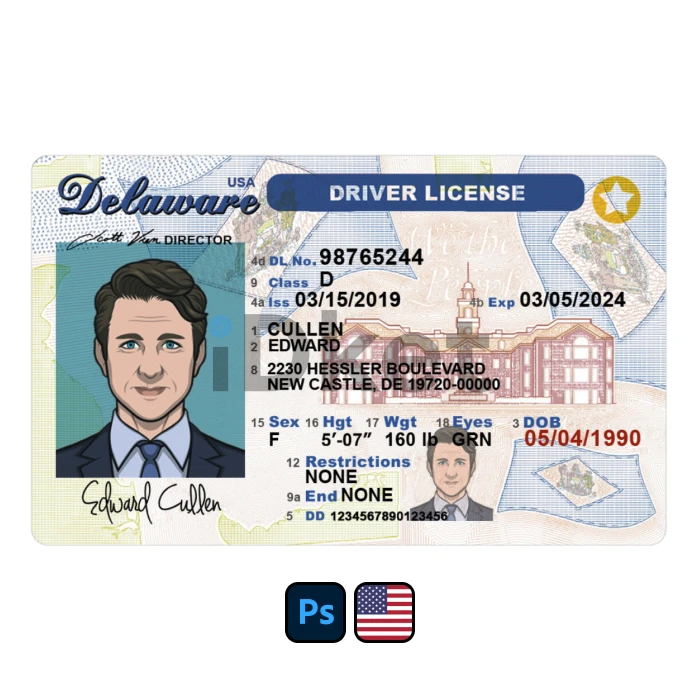
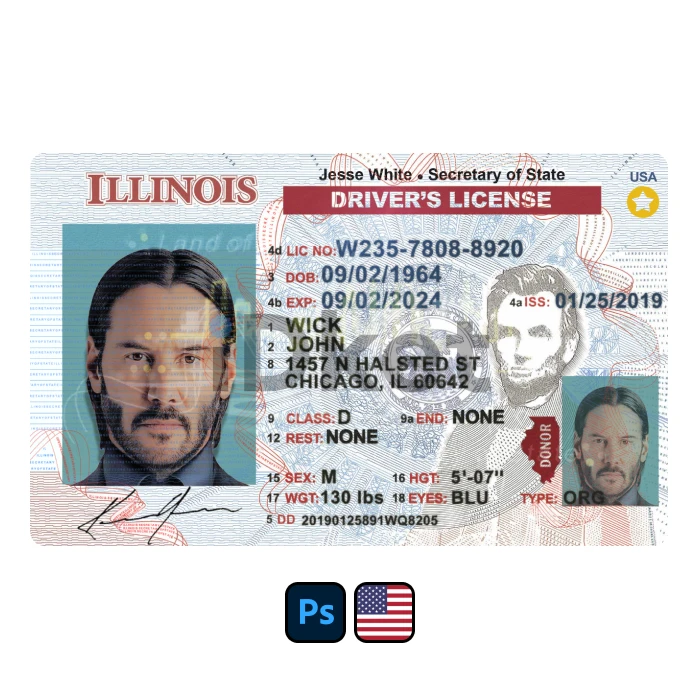

A US Driver’s License PDF417 Barcode Generator UAA (AAMVA) is a specialized tool designed to create barcodes that comply with the standardized format used on American driver’s licenses and identification cards. Most US licenses use a PDF417 two-dimensional barcode on the back of the card. This barcode encodes key data such as the license holder’s name, address, date of birth, license number, and other details defined by the American Association of Motor Vehicle Administrators (AAMVA) specifications.
A compliant US Driver’s License Barcode Generator follows these AAMVA rules so that the resulting barcode can be accurately read by scanners used by law enforcement, retailers, verification services, and access control systems. “UAA” often refers to implementations or libraries that adhere closely to the most recent AAMVA standards and field codes, ensuring that the encoded data is structured exactly as expected by official and commercial readers.
Using a US Driver’s License Barcode Generator is typically relevant for software developers, system integrators, and organizations that need to test or work with license data in a controlled environment—such as building and QA testing scanning applications, demo systems, or training tools. The generator allows them to:
• Input sample license data in a structured form.
• Automatically map that information to the correct AAMVA-compliant data elements and codes.
• Output a valid PDF417 barcode image that can be scanned and decoded like a real license barcode.
Because driver’s license data is sensitive and heavily regulated, production use of such barcodes is tightly controlled by state motor vehicle departments and applicable laws. A US Driver’s License Barcode Generator is therefore most appropriately used for development, testing, and educational scenarios, not for creating or altering real identification documents. When evaluating or implementing a generator, it is important to ensure that it supports the correct AAMVA version, follows current jurisdictional rules, and is used in strict compliance with legal and security requirements.
In addition to basic compliance, many implementations offer configuration options to simulate different state formats, expiration rules, and optional data elements. This can be especially useful when validating that a scanning or verification system behaves correctly across multiple jurisdictions, rather than only for a single state template. Developers can often toggle fields such as organ donor status, card revision dates, or endorsement and restriction codes to reflect realistic scenarios their applications may encounter in production.
From a technical perspective, these generators may be provided as standalone desktop tools, web-based interfaces, or embeddable libraries and APIs. Embeddable components are commonly integrated into automated test suites so that each build can generate fresh sample barcodes, feed them into scanners or decoding routines, and verify that the parsed output matches the expected license data. Some advanced solutions will also validate input against AAMVA field constraints, warning users when values fall outside permitted formats or ranges.
Organizations adopting such tools should also consider data protection practices. Even in a non-production context, using real personal information is discouraged; synthetic or anonymized test data is typically recommended to avoid unnecessary exposure of sensitive details. Access to the generator and any stored barcodes should be controlled, logged, and periodically reviewed, particularly in regulated industries like financial services, health care, or age-restricted retail.
Ultimately, a well-implemented US Driver’s License PDF417 Barcode Generator serves as a reliable foundation for developing and testing systems that interact with AAMVA-compliant IDs. When combined with robust security policies, up-to-date standards support, and thorough documentation, it helps ensure that applications can accurately interpret license data while respecting the legal and privacy obligations associated with identity information.
